OnePlus
System Applications & Accessibility
Android Software Engineer on OnePlus's system applications team, improving accessibility, Contacts, and Phone experiences.
- Role
- Android Software Engineer
- Dates
- Dates will be added.
- Android
- Kotlin
- Accessibility
Some implementation details have been omitted because this work was completed on proprietary commercial products.
01
Background
Focus area
OnePlus develops Android system applications and accessibility experiences used across its device lineup.
My role
I worked on accessibility features and core system applications, improving how people with hearing or speech impairments communicate and how everyday users interact with Contacts and Phone.
02
RTT Accessibility
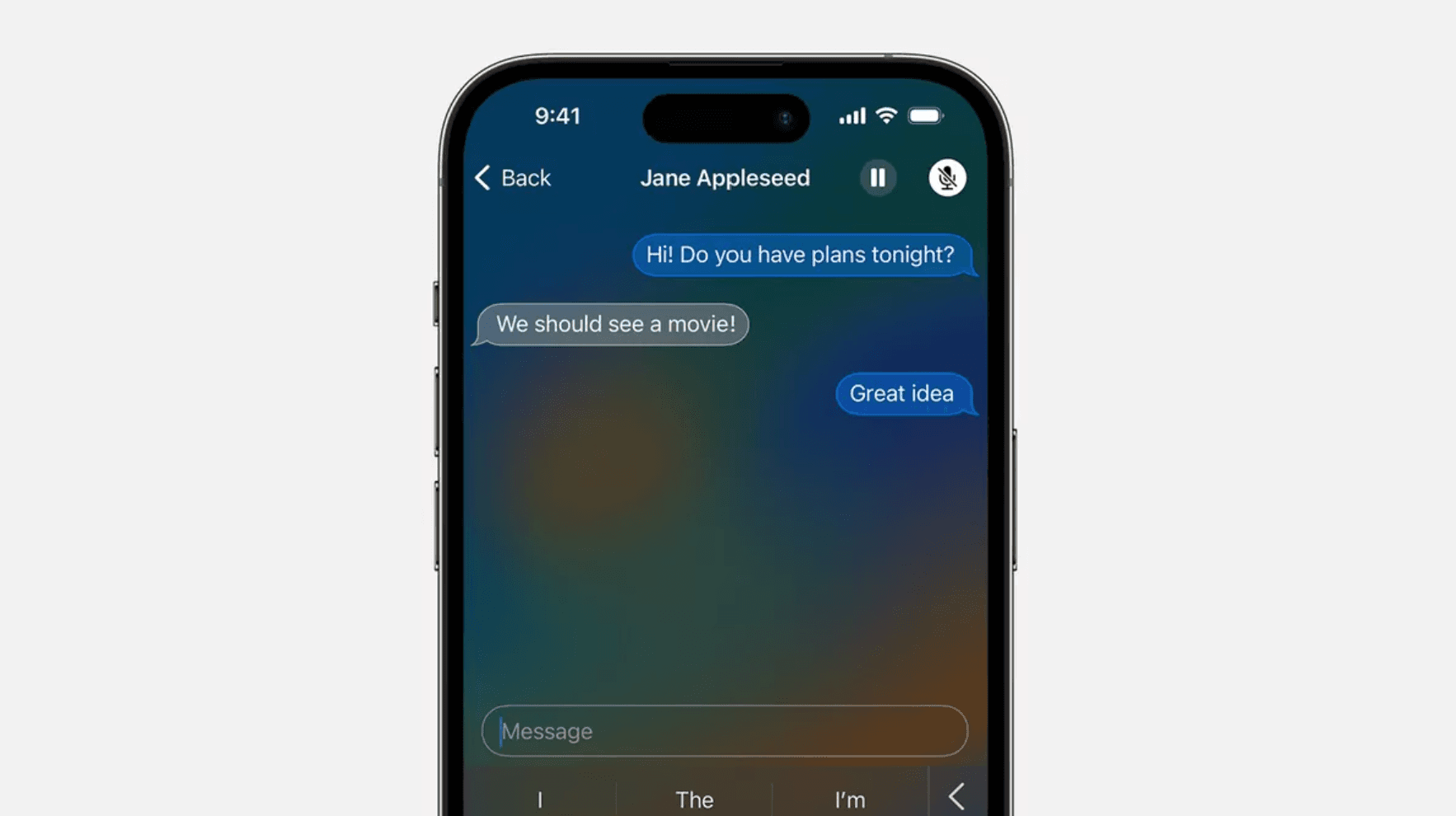
Real-Time Text (RTT)
RTT is an accessibility feature that lets users communicate by typing text during a live phone call, streamed character by character as it's typed. It was developed for T-Mobile carrier customization.
- Background
- Real-Time Text (RTT) transmits a call's text character by character as it's typed, instead of waiting for a full message, which matters most for callers who are deaf, hard of hearing, or speech-impaired.
- User Problem
- Callers with hearing or speech impairments needed a way to communicate during a live call without relying on a separate relay service.
- My contribution
- I implemented the RTT accessibility feature within the Phone application, integrating it with the system's call and accessibility services.
- Technical Approach
- RTT was integrated at the call and accessibility-service layer so text could stream in real time alongside a normal voice or text-relay call, following Android's accessibility service conventions.
- Outcome
- Gave users who are deaf, hard of hearing, or speech-impaired a built-in way to communicate over a call in real time, without a third-party relay app.
03
RCS Messaging
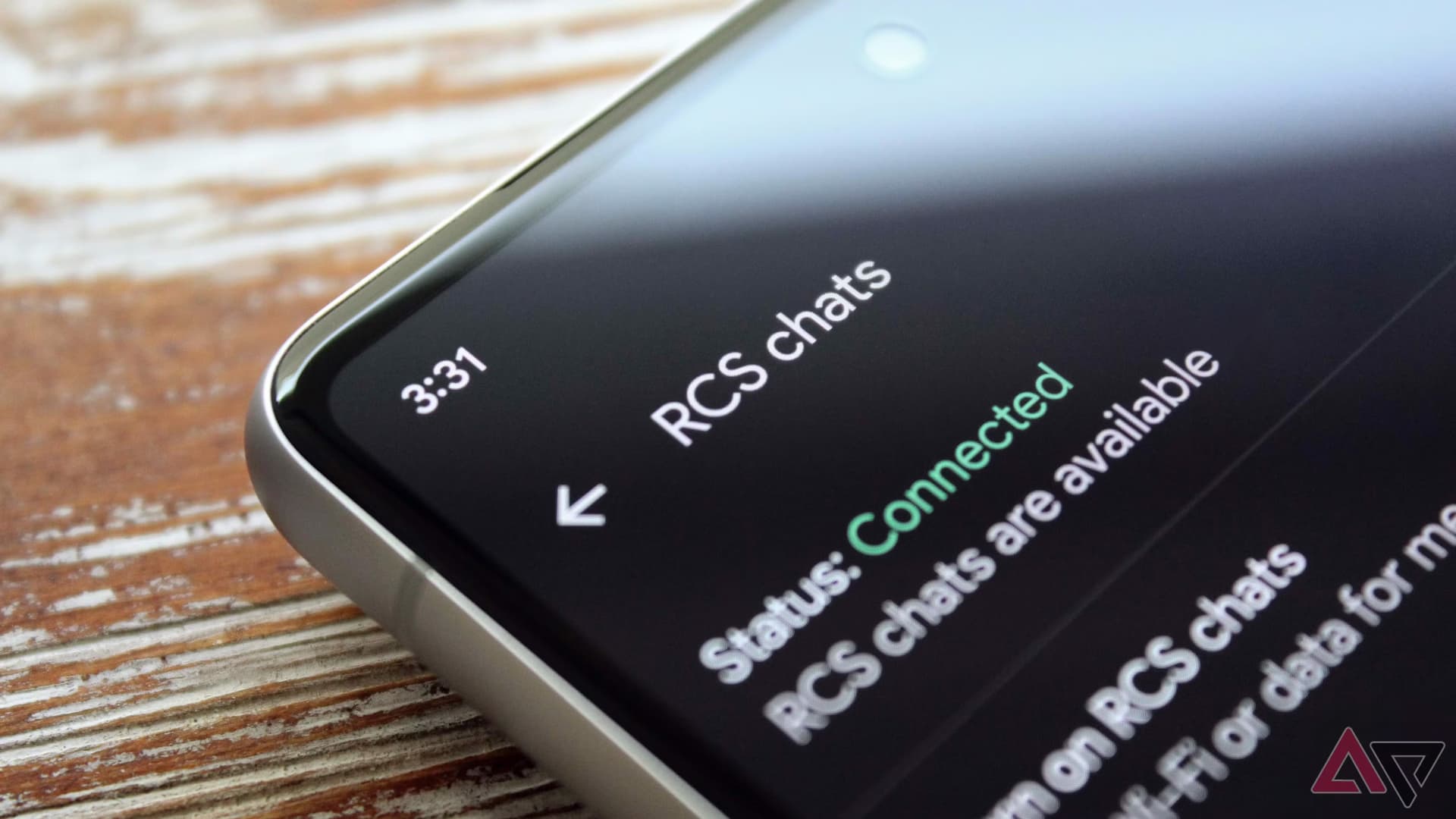
RCS Messaging
RCS Messaging is T-Mobile's enhanced messaging experience, supporting richer communication features beyond traditional SMS — including rich messaging, read receipts, typing indicators, high-quality media sharing, and group messaging.
- Background
- T-Mobile was expanding Rich Communication Services (RCS) to improve the default messaging experience on Android devices. The objective was to provide users with a more modern messaging experience while maintaining compatibility with carrier requirements.
- Business Requirement
- Ensure that RCS capabilities are correctly exposed throughout the system experience so users can easily understand and manage their messaging capabilities.
- My contribution
- I implemented Contacts and Phone application support for RCS status presentation, developing the UI and application logic for displaying RCS availability and RCS messaging indicators. I also added RCS-related settings and feature toggles within the Android Settings application, working closely with Product Managers, UI/UX designers, and QA engineers throughout development and validation.
- High-level Technical Overview
- The implementation coordinated multiple system applications — Settings, Contacts, and Phone — to deliver a consistent RCS experience across calling, contacts, and settings.
- Outcome
- Improved user awareness of RCS capabilities, delivered a more consistent messaging experience across system applications, and supported carrier customization requirements for T-Mobile devices.
- Stage 01Carrier Configuration
- Stage 02System Configuration
- Stage 03Settings Toggle
- Stage 04Contacts & Phone UI
- Stage 05RCS Messaging Experience
04
Engineering Contributions
Accessibility
Built and refined accessibility features like RTT that make core apps usable for people with hearing or speech impairments.
System Applications
Worked within the Contacts and Phone system applications shipped on every device.
User Experience
Balanced feature requirements against everyday usability for apps used by nearly every device owner.
Cross-functional Collaboration
Partnered with design, QA, and accessibility stakeholders to validate features before release.